Gardening Services in Abbey Wood

Gardening services in Abbey Wood should feel practical, tidy and well matched to the garden in front of you. We provide a focused range of outdoor maintenance and improvement work, with the main aim of keeping lawns, hedges, borders and wider garden areas in better order throughout the seasons. Whether the task is regular upkeep or a one-off clear-up, the emphasis stays on careful work, sensible planning and a finish that leaves the space easier to use.
Our service range centres on common domestic and small commercial gardening needs. That includes routine lawn mowing, hedge trimming, garden maintenance, garden clearance and related landscaping work where a more substantial change is needed. We can also discuss decking and tree-related work where it fits the site and the scope is appropriate. If you are weighing up a simple tidy-up against a more involved project, the right first step is to define what the space needs now and then build the work around that.
For many customers, the value of a garden service is not only the visible result but the way the work is organised. Clear access, the right tools and a sensible sequence of tasks make a noticeable difference. If you are planning a visit, it helps to note the main areas you want handled and the parts of the garden that matter most to you. Simple, specific instructions usually lead to a cleaner, more usable outcome.
Routine garden maintenance and tidy-up work
Regular garden maintenance is often the best way to keep outdoor spaces from becoming too demanding. In practical terms, that may include grass cutting, edging, light weeding, general tidying and attention to the parts of the garden that are easiest to overlook. A well-planned maintenance visit can help the garden feel controlled rather than neglected, especially when the same areas need looking after through different growing conditions.
Our garden maintenance work is suited to customers who want the basics handled consistently and with care. That can mean keeping paths clear, lifting visible debris, managing overgrowth around edges and making sure the lawn stays in a usable state. It is also a sensible option where a garden has been left for a while and needs a measured return to order rather than a single heavy intervention. Garden maintenance is often the place to start when the aim is steady improvement rather than a dramatic redesign.
When maintenance is planned well, it tends to support the rest of the garden rather than compete with it. Planting beds remain easier to read, lawns become less patchy in appearance and small problems are easier to spot before they spread. In that sense, maintenance is not only about appearance; it also helps create a clearer working structure for any future garden decisions. We can adapt the scope to suit the level of attention the space needs.
Lawns, hedges and the main visible surfaces
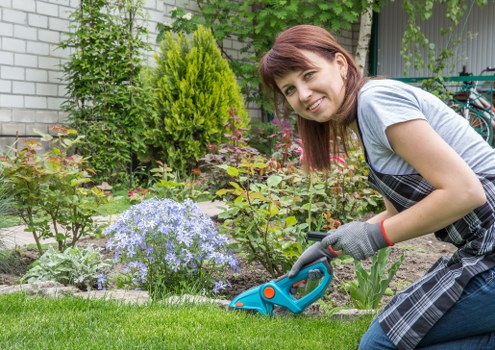
Lawns and hedges usually define the first impression of a garden, which is why they benefit from careful, regular attention. Lawn mowing can be straightforward in principle, but a neat result depends on more than simply cutting the grass. Height, edges, access and the condition of the surface all influence what is sensible on the day. Hedge trimming works in a similar way: the shape, thickness and location of the hedge affect how the job is carried out and how much finishing is required.
Our lawn mowing and hedge trimming services are designed to support clean, even presentation without unnecessary fuss. A lawn may need a simple cut and tidy, or it may need a more considered pass if growth has become uneven. Hedges may need shaping, reducing or simply bringing back to a sharper outline. Where the work is combined, the garden often looks more balanced because the main vertical and horizontal lines are both improved in one visit. Lawn mowing and hedge trimming can be arranged as separate jobs or part of a broader maintenance plan.
It is often worth deciding which feature is doing the most visual work in the garden. A well-cut lawn can make borders look more deliberate, while a neatly trimmed hedge can open up light and restore proportion. If both are in poor condition, tackling them together is usually more effective than improving one surface while leaving the other untouched. Balanced outdoor presentation matters, especially when you want the whole space to feel intentional rather than pieced together.
Garden clearance for overgrown or cluttered spaces
Garden clearance is a different kind of work from routine maintenance because it deals with spaces that need a more complete reset. That can include removing accumulated green waste, cutting back overgrowth, clearing unwanted debris and opening up areas that have become difficult to use or inspect. The aim is not to overcomplicate the job, but to restore enough order for the garden to be worked on properly afterwards.
Our garden clearance service suits spaces where the immediate issue is not a single plant or border, but the overall state of the garden. This may be useful after a long gap in upkeep, following a period of bad weather or before other improvement work begins. The result is often a clearer, safer and more manageable site. Garden clearance can be a practical choice when you need the ground ready for maintenance, reshaping or a new layout.
Because clearance jobs vary so much, the scope should be defined carefully. Some gardens need only a selective cut-back and removal of waste; others need a fuller process that reveals the structure underneath. Where access is limited or the growth is particularly dense, the work may need to be broken into stages. That is why it helps to identify the heaviest problem areas first, rather than treating every part of the garden as if it needs the same treatment.
Landscape gardening and more involved changes
Some gardens need more than routine cutting and tidying. Landscape gardening covers the kind of work that changes how the space is arranged, used or experienced. That may involve reshaping beds, improving surface lines, adjusting planting areas or reworking sections that no longer suit the way the garden is used. The purpose is not simply to make the garden look different, but to make it more coherent and workable.
Our landscape gardening service can support projects that sit between maintenance and full construction. A customer may want to improve flow through the garden, create cleaner transitions between areas or bring a neglected layout back under control. In some cases, this work follows clearance and before any finishing details are considered. Landscape gardening is useful where the site has potential but needs practical shaping before that potential becomes visible.
When planning this kind of work, it is sensible to think about how the garden is used in everyday terms. Paths, seating space, planting structure and lawn edges all affect whether the result feels comfortable and functional. Good layout decisions are often more valuable than trying to add too many features at once. The most useful improvement is frequently the one that makes the whole space easier to understand and maintain.
Decking and hard-surface features

Decking can provide a defined outdoor surface that sits comfortably alongside planting and lawn areas when it is designed and fitted sensibly. It is often chosen where a garden needs a firmer place to stand, sit or step between different parts of the layout. The details matter here: the size, position and finish of the deck all influence how well it works with the rest of the garden. A good result should feel integrated rather than added as an afterthought.
Our decking services are best considered alongside the wider structure of the garden, because decking affects circulation as well as appearance. A raised or level surface may help create a clearer use zone, while a smaller section may act as a transition between the house and the rest of the space. Decking services can be appropriate where the aim is to create a more defined, practical outdoor area without losing the character of the garden around it.
For customers comparing options, it is worth thinking about how much of the space needs to stay open, how the surface will be reached and how it will sit next to planting or lawn. In many cases, the most useful design is a modest one that solves a real layout problem. If you are considering a new surface alongside other garden work, keep the design decisions simple and consistent so the whole garden feels joined up.
Tree-related work and garden safety considerations
Tree work in a garden setting may involve reducing overhanging growth, removing problematic branches or taking out a tree where it is no longer suitable for the space. The right approach depends on the size of the tree, its condition, its position and the impact it has on nearby surfaces, planting and access. The goal is to manage the tree carefully while protecting the surrounding garden as far as possible.
Our tree-lopping and removal service is relevant where a tree is contributing to shade, clutter, obstruction or wider maintenance problems. It can also form part of a larger clear-up if the garden has become too heavy with growth. Because tree work can affect structure, light and the rest of the garden layout, it needs to be considered alongside the practical outcome you want. Tree lopping and removal is most effective when the scope is defined clearly from the start.
Safety and access matter as much as appearance. A branch that overhangs a boundary, a trunk that limits movement or a tree that makes routine maintenance awkward can all change how the rest of the garden is managed. That is why tree-related work should be planned carefully rather than treated as an isolated task. Effective garden decisions often depend on removing the parts of the layout that create the most friction.
How we approach quotations and planning
Most garden work becomes easier to quote once the scope is clear. Useful details usually include what needs cutting, clearing, trimming or reshaping, which parts of the garden are the priority and whether the job is a one-off or part of a wider improvement plan. If there are access issues, boundary concerns or areas that need to remain untouched, it helps to make that clear early. This keeps the discussion focused on the actual work rather than guesswork.
We also find it helpful when customers explain the outcome they want in plain terms. Some want a garden made presentable; others want a section cleared so it can be used again; others are thinking about a longer-term change. Those different aims can affect labour, materials and the sequence of work. Photos, a short note and a simple description of priorities are often enough to begin shaping a sensible quotation, provided the request is specific and realistic.
If you are ready to move forward, a brief enquiry is usually the fastest way to begin. Tell us what type of work you need, which areas matter most and whether you want a maintenance visit, clearance or a more involved improvement. You can also pricing and quotes information to help you compare the likely shape of the job before deciding how to proceed.
Working with the seasons and the condition of the garden

Gardens change throughout the year, so the most sensible service plan often changes too. Faster growth may call for more frequent cutting and trimming, while slower periods can be a good time to tackle structural tidying, removals or preparation for later work. The condition of the garden matters just as much as the calendar, because a healthy-looking space can still need targeted attention to stay manageable and neat.
Seasonal work often includes a mix of maintenance and corrective tasks. A lawn may need regular attention through active growth periods, while hedges can benefit from careful shaping when they start to obscure light or dominate paths. Clearance may be more urgent after wet or windy conditions, when debris and broken growth make the garden harder to use. Services overview can be a useful starting point if you want to compare the different kinds of gardening work available before choosing a route.
The best service plan is usually the one that matches the state of the garden rather than forcing it into a fixed routine. Some outdoor spaces need steady upkeep, while others need a single substantial visit followed by a simpler maintenance pattern. Matching the work to the current condition tends to produce better value and a better result than over-ordering or under-ordering the job.
About Abbey Wood
Abbey Wood is an area in south-east London known for its mix of suburban streets, rail connections and green space. It takes its name from the medieval Lesnes Abbey, founded in the thirteenth century, whose remains are associated with nearby Lesnes Abbey Woods. That woodland and parkland landscape is one of the area’s most recognisable features, offering paths, mature trees and elevated views across parts of east and south-east London. The area also sits close to the Thames corridor, with the Thamesmead and Woolwich directions shaping how it connects to the wider boroughs around it. In recent years, Abbey Wood has become better known through improvements in rail travel, particularly the Elizabeth line station, which strengthened links towards central London and Essex. The built environment combines older residential streets with newer development, especially around the station and expanding local centres. As with many parts of outer London, the area’s character comes from this layering of history and change rather than from a single architectural style. The presence of woodland, housing estates, transport infrastructure and local shopping routes gives Abbey Wood a practical everyday feel, while the historic abbey connection anchors it to a much older past. Its open spaces, residential patterns and transport links make it a distinctive place within the borough of Greenwich and the neighbouring districts that surround it.
What to expect from a well-organised garden visit
A well-run garden visit starts with a clear sense of the tasks and ends with the space left in a workable condition. That might mean grass cut, edges tidied, hedges shaped, waste gathered or more involved clearance completed in stages. The exact sequence depends on the site, but the principle is the same: do the messy work first, finish the visible surfaces carefully and leave the garden easier to maintain next time.
We aim to keep the work straightforward to understand. If a garden needs a single service, that should be handled without extra complication. If the site needs several linked tasks, those can be grouped sensibly so that each step supports the next. clearance work, ongoing upkeep and more structural improvement can all be combined where it makes practical sense, rather than treated as separate and unrelated visits.
Clarity at the outset helps both the result and the quotation. If you know what you want kept, cut back, removed or improved, the job can be scoped more accurately and completed with fewer unnecessary changes along the way. If you are unsure, a short description of the visible issues is still a useful starting point. A plain, direct conversation is usually enough to turn a rough garden plan into something workable.
Request a quotation for gardening services

If your garden in Abbey Wood needs maintenance, trimming, clearance or a more involved improvement, the next step is simple: tell us what you want done and what condition the space is in now. That gives a better basis for a quotation than broad descriptions, because the work needed in a neat garden is very different from the work needed in a heavily overgrown one. The more specific the request, the easier it is to set out the right scope.
You can keep your enquiry short and practical. A note about the size of the garden, the main tasks and any access points is usually enough to begin. If you prefer to compare the main kinds of work first, the contact page can be used to request a quotation, ask a question or describe a planned project in more detail. We will then look at the job in terms of the work involved, the time needed and the most sensible way to approach it.
Whether you need routine mowing, hedge trimming, garden clearance, landscaping or tree-related work, a clear quotation starts with a clear description. Send the basics, state the outcome you want and choose the service that best matches the garden today. From there, it is much easier to agree a practical way forward and arrange the right level of work for the space.