Greenwich council garden waste rules for Abbey Wood yards
If you are trying to work out what you can do with hedge cuttings, grass clippings, branches, and all the rest of the green stuff after a tidy-up, you are not alone. Greenwich council garden waste rules for Abbey Wood yards can feel a bit confusing at first, especially when the yard is small, shared, or squeezed behind a terraced home. One minute you are just trimming back a border; the next, you have a pile of ivy, soil, and prunings that needs a proper plan.
This guide breaks the topic down in plain English. You will learn how the rules usually work, why they matter, what to do with different types of garden waste, and how to stay practical if your Abbey Wood yard gets overgrown quickly. I will also cover common mistakes, sensible best practice, and the kinds of garden jobs that are easiest to pair with responsible clearance. Truth be told, that last bit can save a lot of time and a fair bit of faff.
Table of Contents
- Why Greenwich council garden waste rules for Abbey Wood yards Matters
- How Greenwich council garden waste rules for Abbey Wood yards Works
- Key Benefits and Practical Advantages
- Who This Is For and When It Makes Sense
- Step-by-Step Guidance
- Expert Tips for Better Results
- Common Mistakes to Avoid
- Tools, Resources and Recommendations
- Law, Compliance, Standards, or Best Practice
- Options, Methods, or Comparison Table
- Case Study or Real-World Example
- Practical Checklist
- Conclusion
- Frequently Asked Questions
Why Greenwich council garden waste rules for Abbey Wood yards Matters
Garden waste sounds harmless, but local disposal rules matter more than many people realise. In a place like Abbey Wood, where yards are often compact and access can be tight, even a modest pruning job can create bags that are awkward to store, move, and dispose of. If you ignore the rules, you can end up with overflowing bins, missed collections, mess at the kerb, or waste that simply sits there longer than it should. Nobody wants that sitting in the rain for a week. It gets soggy, heavy, and unpleasant fast.
The point of following the rules is not just to avoid a problem with collection. It is also about keeping your property tidy, reducing smells and pests, and making sure your garden maintenance work does not become a bigger job later. A well-managed yard is easier to mow, easier to trim, and easier to enjoy. If you are dealing with a broader tidy-up, a planned garden clearance can help you separate routine green waste from bulky or mixed waste before it becomes a headache.
There is also a practical side to this. Garden waste handled the right way can often be kept cleanly separated from other materials, which makes disposal simpler and, in many cases, more sustainable. Mixed waste is where things get messy. Put the wrong thing in with the clippings and suddenly you have an extra sorting job. Small issue on paper, annoying in real life.
Expert summary: For Abbey Wood yards, the smartest approach is usually to keep green waste clean, dry, and separated from soil, rubble, plastics, and household rubbish. That one habit prevents most disposal problems before they start.
How Greenwich council garden waste rules for Abbey Wood yards Works
The exact collection and disposal details can change, so the safest approach is to treat the rules as something to check before you start a big garden job rather than after. In practical terms, the system generally revolves around what counts as garden waste, how it must be presented, and what should never be mixed in with it.
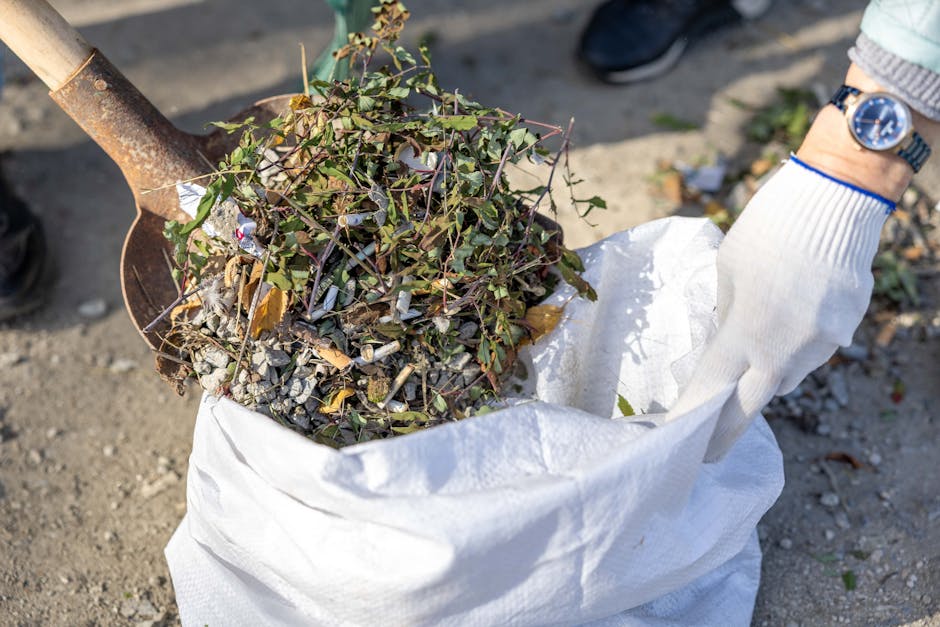
Most people think in terms of the obvious stuff: grass cuttings, leaves, hedge trimmings, twigs, and light prunings. That is the easy part. The tricky part is everything else. Soil, stones, old plant pots, timber treated with chemicals, broken fencing, and general rubbish are not the same thing as green waste. If your yard has a bit of everything, you may need to sort it into separate piles before disposal.
For routine upkeep, regular garden maintenance makes the whole process easier. A yard that is trimmed and tidied little and often produces smaller, more manageable waste loads. If you let it go for months, the clearance job becomes heavier, more expensive to handle, and far less pleasant on a damp Saturday morning. Let's face it, nobody enjoys wrestling six sacks of soggy ivy through a narrow side passage.
In many real-world Abbey Wood gardens, access is the other deciding factor. If you cannot easily get a bin, bag, or barrow down the side of the house, you need a plan before you cut anything back. That might mean using smaller sacks, loading waste in stages, or booking a service that can remove material safely and efficiently. Good planning matters more than brute force here.
What usually counts as garden waste
- Grass cuttings
- Leaves and small plant matter
- Hedge trimmings
- Flowers and weeds
- Small branches and prunings
What usually causes trouble
- Soil and rubble
- Broken pots and plastic plant trays
- Fence panels and treated timber
- Household rubbish hidden in the pile
- Large tree trunks or heavy woody waste
If your garden has trees that need shaping or removing, the waste mix can become more complicated very quickly. In those situations, it may be worth looking at tree lopping and removal rather than trying to treat everything as a standard bin job.
Key Benefits and Practical Advantages
Following the right process brings a few clear benefits, and they are not just administrative. The first is cleanliness. A tidy disposal routine keeps paths clear, stops bags from splitting, and reduces the chance of debris blowing around on a windy evening. That matters more than people think. One burst bag and suddenly there are leaves under the shed, along the fence, and under the back door mat. Bit of a nuisance.
The second benefit is cost control. When waste is sorted properly, it is easier to estimate how much there is and what kind of removal is needed. That can help you avoid paying for unnecessary labour or transport. If you are budgeting for the job, it is sensible to check pricing and quotes before the work starts so there are no surprises later.
The third benefit is flexibility. Once you understand the waste rules, you can plan your gardening work in a more efficient sequence. For example, you can trim the hedge, clear the border, mow the lawn, and then collect waste in one pass rather than stopping and starting. It sounds small, but it makes a big difference in a cramped yard.
There is also the sustainability angle. Garden waste separated correctly is much easier to deal with responsibly. If that matters to you, it should, even in a small way, then keeping green waste clean and uncontaminated is a useful habit. You can see how this fits with a broader recycling and sustainability mindset without needing to turn your yard into a science project.
Who This Is For and When It Makes Sense
This guidance is useful for a wide range of people in Abbey Wood. Homeowners with small rear yards, tenants looking after a rented garden, landlords preparing a property between lets, and anyone maintaining a shared outdoor space all face the same basic issue: how to clear plant waste without making the area untidy or non-compliant.
It also matters if you are doing seasonal work. Spring cutbacks, summer hedge trimming, autumn leaf clearance, and the end-of-winter tidy-up all create different waste patterns. A light summer mow is one thing. An overgrown backyard with brambles and ivy? That is a different beast entirely.
This is especially relevant when you are planning a bigger refresh. If your outdoor space is part planting area, part paving, part tired timber, and part "we should really deal with that," then the waste plan becomes part of the project. In that case, you might be thinking beyond clearance and into landscaping or landscape gardening work too.
It makes sense when:
- Your yard produces regular green waste that is hard to store
- You are clearing a neglected space before using it again
- You need to separate garden material from mixed rubbish
- You want to reduce the risk of collection issues or overflow
- You are coordinating multiple jobs, such as mowing, trimming, and clearance
Step-by-Step Guidance
If you want to avoid the usual mess, work in a sequence. That is the simple answer, and honestly it is the one that saves the most time.
- Survey the yard first. Walk the space and identify what needs cutting, what needs lifting, and what needs to be left alone. Check for hidden items near fences, under shrubs, or behind planters.
- Separate green waste from non-green waste. Put grass, leaves, and prunings in one category, and keep soil, timber, plastic, and rubble out of it.
- Cut back in stages. For overgrown yards, start with the easy access areas first. This reduces trip hazards and makes the rest of the work safer.
- Bag or stack waste neatly. Use containers or piles that will not fall apart if it starts to drizzle. In London, that is not an uncommon issue, is it?
- Keep paths and exits clear. Make sure you still have a route for carrying waste out without trampling the garden.
- Decide how disposal will happen. If the waste is manageable, your normal arrangement may be enough. If it is larger or mixed, you may need a more involved clearance approach.
- Finish with a final sweep. A quick rake, brush, or blower pass can make the yard feel properly finished rather than half-done.
A good rule of thumb is to deal with waste the same day it is created whenever possible. If you leave cuttings in the yard for too long, they compact, smell, and become harder to move. A tidy yard after a cut is a much better sight than a dark green pile sitting by the fence for three days.
Expert Tips for Better Results
One of the best habits is to reduce the volume before you move it. Hedge trimmings, for example, can look enormous straight off the hedge, but they settle quickly once loosely packed. Grass clippings are the opposite: they compact fast and can become surprisingly heavy. So do not judge the load just by eye. A bag that looks light can be a back-breaker by the time it reaches the front gate.
Another useful tip is to work from dry to wet where possible. If you clear leafy waste after rain, it weighs more and is harder to keep clean. A dry morning is your friend. If the grass is damp and the soil is soft, maybe delay the heavy work for a better window. That is not laziness; it is common sense.
In compact Abbey Wood yards, access planning is often the hidden difference between a smooth job and a stressful one. Make sure you know where you will stand, where you will put waste, and how you will get it out without blocking doors or gates. A tiny bit of thinking beforehand saves a lot of heaving later.
If your job involves a combination of grass cutting, hedge trimming, and a broader tidy-up, bundling the work together can be a smarter use of time. For example, a regular lawn mowing visit combined with hedge cutting and light clearance often keeps the whole space in better shape. It is the difference between "kept up with" and "we should really do something about this."
And one more thing: don't underestimate the value of sorting as you go. It feels slower for the first ten minutes, then suddenly everything becomes easier. Funny how that works.
Common Mistakes to Avoid
People usually do not get garden waste wrong because they are careless. More often, they are rushed. A quick tidy-up after work turns into a bigger task, and the sorting step gets skipped. That is where trouble starts.
- Mixing soil with green waste. Soil adds weight and changes how the material should be handled.
- Including household rubbish. Food packaging, broken household items, and general waste do not belong in garden waste.
- Leaving waste in loose heaps. Loose piles are easy to scatter, especially on breezy days.
- Forgetting access constraints. A narrow side return or shared path can make disposal more complicated than expected.
- Waiting too long to remove it. Wet cuttings, decomposing leaves, and stacked branches all become harder to manage over time.
- Assuming all wood is the same. Untreated branches are one thing; treated timber, old decking offcuts, and fencing are another matter entirely.
If a yard has old boards, rotten posts, or leftover outdoor structures that need stripping out, do not treat them as simple green waste. You may need a more structured approach, and in some cases a service that also handles decking services or structural garden features is a better fit than a standard tidy-up.
Tools, Resources and Recommendations
You do not need fancy kit to handle most garden waste properly. The basics still do the job best: sturdy gloves, pruning shears, a rake, garden sacks, a wheelbarrow or trug, and a broom or brush for the final sweep. If the yard is tight, smaller bags are often better than oversized ones. They are easier to carry, easier to stack, and less likely to split.
For larger jobs, a tarp can be useful. Pull trimmings onto it, drag the load to a better collection point, then lift or tip it into bags. Simple, but effective. If you have ever tried carrying a heap of brambles by hand through a narrow passage, you will know why this matters.
Useful resources for your own planning include:
- Your property layout: gates, side access, shed position, and bin storage
- Your service plan: whether you need only trimming or a larger clearance job
- Your waste categories: green waste, mixed waste, and bulky items kept separate
- Your seasonal schedule: spring, summer, autumn, and winter maintenance needs
If you are unsure how much work your outdoor space really needs, a broader look at services overview can help you decide whether you need one-off clearance, ongoing maintenance, or a mix of both. That kind of decision is often clearer once you see the whole picture.
Law, Compliance, Standards, or Best Practice
For anything involving waste, the safest approach is to follow local council guidance and general UK waste best practice rather than guessing. Rules can change, and not every type of yard waste is treated the same way. The key principle is simple: keep garden waste separate, keep it clean, and do not mix it with materials that require different handling.
In practical terms, that means treating green waste as green waste. If it is contaminated with soil, construction debris, household rubbish, or treated timber, it may no longer fit the same disposal route. That is where people trip up, and then the job takes longer than planned. No one wants a halfway-cleared garden and a pile that needs sorting again.
Best practice also means keeping the work safe. Sharp cuttings, wet surfaces, uneven paving, and hidden debris can all create hazards. If you are pruning larger shrubs or removing heavy branches, use sensible protective gear and avoid awkward lifting. If the job looks beyond a standard tidy, it is better to scale up the support than force it.
From a service perspective, working with a provider that takes health and safety and insurance and safety seriously is just plain sensible. You are not only paying for labour; you are paying for judgement, care, and a clean finish. That part gets overlooked a lot.
Options, Methods, or Comparison Table
There is more than one way to deal with Abbey Wood garden waste, and the right method depends on volume, access, and how mixed the material is. Here is a straightforward comparison.
| Method | Best for | Pros | Watch-outs |
|---|---|---|---|
| Routine bin-based disposal | Small amounts of light garden waste | Simple, low effort, works well for regular upkeep | Not suitable for large loads or mixed materials |
| Bagged collection and staged removal | Moderate tidy-ups in compact yards | Controlled, neat, easier to carry through narrow access | Can take longer if the garden is very overgrown |
| One-off clearance | Heavier jobs, neglected yards, seasonal resets | Efficient for bigger amounts, reduces stress | Needs better planning and may involve sorting mixed waste |
| Ongoing maintenance plus disposal | Gardens that grow back quickly | Keeps the yard manageable all year | Requires consistency rather than one big effort |
For most Abbey Wood homes, the sweet spot is regular maintenance with occasional clearance support when growth gets ahead of you. That balance tends to keep waste volumes down and the garden looking cared for rather than constantly on the edge.
Case Study or Real-World Example
Picture a small rear yard behind a terraced home in Abbey Wood. It has a patchy lawn, a narrow border, a climber around the fence, and a hedge that has been left for a bit too long. Nothing dramatic. Just one of those spaces that quietly gets away from you over a season or two.
The job starts as a simple tidy-up, but once the hedge is cut and the border is cleared, the pile of waste grows quickly. Some of it is easy to bag. Some of it is twiggy, light, and awkward. There is also old soil around a planter and a few bits of broken plastic from a tired pot. That is where the waste plan matters.
The sensible approach is to sort the material as you work, keep the green waste separate, and decide early whether a basic disposal route is enough or whether the whole yard needs a more complete clearance. In this kind of situation, combining the tidy-up with a proper garden clearance is often the cleanest solution. The yard ends up usable again, the access routes stay clear, and there is no awkward pile sitting outside waiting for the next dry day.
The biggest lesson from jobs like this? The earlier you deal with the waste stream, the easier the whole project becomes. It sounds obvious once you say it out loud, but people often learn it the hard way.
Practical Checklist
Use this checklist before, during, and after a garden tidy in Abbey Wood:
- Check what type of waste you are creating
- Keep green waste separate from soil, rubble, and household rubbish
- Confirm access through gates, side passages, and shared paths
- Use the right bags or containers for the size of the load
- Cut and collect in stages rather than dumping everything in one heap
- Keep walkways clear while you work
- Remove waste promptly once the job is finished
- Look out for hidden hazards such as broken glass, nails, or sharp branches
- Decide whether the job is routine maintenance or a larger clearance
- Finish with a sweep so the yard looks properly done
Quick takeaway: If you can keep the waste clean, separated, and easy to move, you are already halfway to solving the problem.
Conclusion
Greenwich council garden waste rules for Abbey Wood yards are easiest to manage when you stop thinking of waste as an afterthought and treat it as part of the job itself. That small shift in mindset keeps gardens tidier, makes disposal simpler, and saves you from that familiar last-minute scramble with overfull bags and muddy boots. And yes, Abbey Wood weather tends to make the whole thing just a touch more interesting.
The best results usually come from simple habits: sort as you go, keep green waste separate, plan for access, and match the disposal method to the size of the job. Whether you are doing a light seasonal tidy, trimming back a hedge, or clearing a yard that has been left to run wild, a little structure goes a long way. The garden feels lighter afterwards. Cleaner, too. Almost like it can breathe again.
If you want help with a larger clearance, regular upkeep, or a more complete outdoor refresh, it is worth exploring the full range of support available. Get a free quote today and see how much you can save.
Small jobs handled well make the biggest difference in the end, and a well-kept yard has a quietly satisfying kind of charm.
Frequently Asked Questions
What counts as garden waste in an Abbey Wood yard?
Garden waste usually includes grass cuttings, leaves, hedge trimmings, weeds, flowers, and small prunings. Once you add soil, rubble, household rubbish, or treated timber, you are into mixed waste territory and the disposal approach may need to change.
Can I mix soil with green waste?
It is usually better not to. Soil adds weight and often changes how the load should be handled. A clean green waste pile is much easier to manage and less likely to cause issues later.
Do I need a full clearance if my yard is only a little overgrown?
Not always. If the space only needs cutting back and a light tidy, routine maintenance may be enough. A full clearance makes more sense when access is tight, growth is heavy, or the waste includes a mix of materials.
What should I do with hedge trimmings?
Hedge trimmings are usually treated as green waste if they are clean and free from other materials. They are best collected promptly and kept separate from soil, plastic, and general rubbish.
Are branches and small tree cuttings handled the same way as lawn clippings?
Not quite. Small branches and woody cuttings can be bulkier and harder to compress than grass. They may still be garden waste, but they often need a different handling plan, especially in smaller yards.
How often should I clear garden waste in a small yard?
That depends on how fast the garden grows back, but regular light clearance is usually easier than leaving everything for one big seasonal job. A little and often approach tends to suit Abbey Wood yards very well.
What if I have broken pots, old fencing, or decking offcuts?
Those items should usually be kept separate from green waste. Mixed materials need more careful sorting, and timber, plastics, and broken hard materials often follow different disposal routes.
Is it better to bag waste as I go or clear everything first?
Bagging as you go is usually smarter in compact yards. It keeps the space safer, prevents waste from spreading, and makes the final disposal stage much easier.
Can regular garden maintenance reduce waste problems?
Yes, absolutely. Ongoing maintenance keeps growth under control, which means less waste builds up in one go. That often saves time, money, and effort over the course of the year.
How do I know if I should book a larger garden clearance?
If the yard has become difficult to access, if the waste is mixed, or if the job has moved beyond simple cutting and collecting, a larger clearance is probably the better option. If you are unsure, getting advice before you start is usually the calmer path.
What is the safest way to move heavy bags through a narrow side passage?
Use smaller loads, keep the route clear, and avoid overfilling bags. Heavy or awkward items are much easier to manage in stages than in one big, rushing-at-the-end effort.
Should I keep garden waste dry before disposal?
Whenever possible, yes. Dry waste is lighter and easier to handle. Wet grass, leaves, and cuttings can become much heavier very quickly, especially after a typical London shower.
Where can I find support for a bigger outdoor tidy-up?
If your yard needs more than a basic trim, it may help to look at broader garden support options, including maintenance, clearance, and related outdoor work. A measured plan nearly always beats trying to do everything at once.